Kitchen Cabinets in Vancouver: Styles, Materials, Pricing & Smart Buying Guide
Homeowners in Metro Vancouver face two common challenges when shopping for kitchen cabinets: information overload and unpredictable timelines. This guide cuts through the noise with a practical breakdown of cabinet types, materials, and configurations—plus realistic lead times drawn from hands-on production and engineering experience in two of Vancouver’s major cabinet shops.
Types of Kitchen Cabinets
Kitchen cabinets group into a few functional families. Understanding what each type does (and when to specify it) makes planning faster, keeps costs predictable, and reduces on-site surprises.
Base Cabinets— The workhorses under your countertop
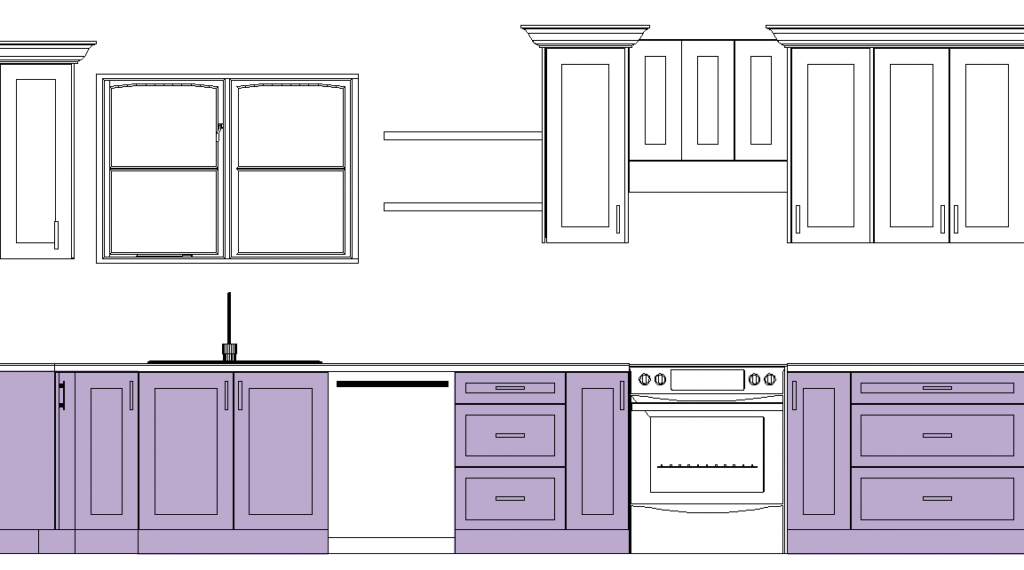
Base cabinets carry most of the workload: cookware, cutlery, trash, and heavy drawers. Common modules:
- Open cabinet
- Door only cabinet
- 3 Drawer unit
- Combo Door and Drawer unit
Wall/Upper Cabinets— Floating storage
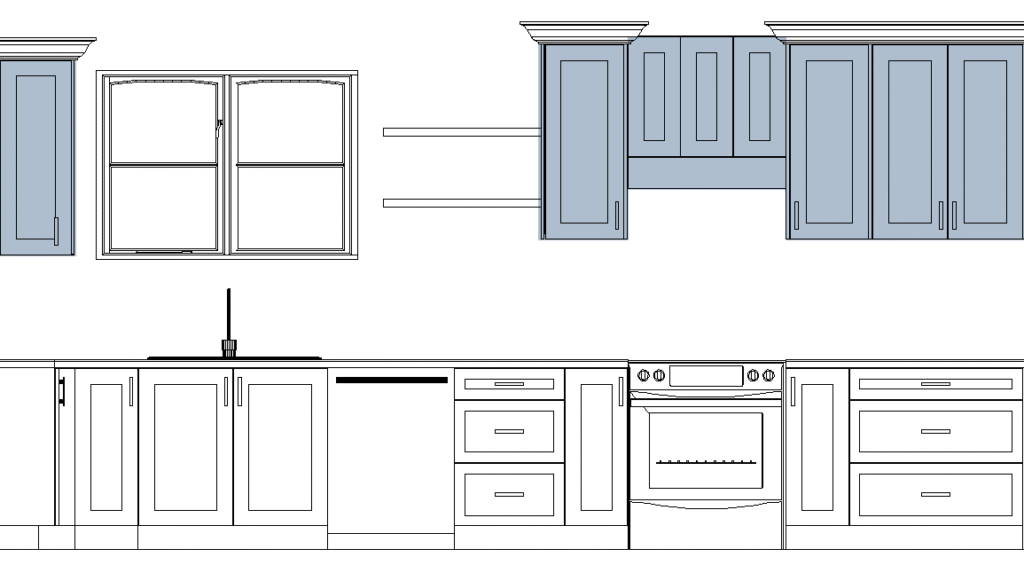
Uppers keep dishes and glassware off the counter. They are often crowned with matching top mouldings, making them the most visually prominent cabinets in the kitchen.
Tall/Pantry Cabinets— Vertical capacity & appliance towers
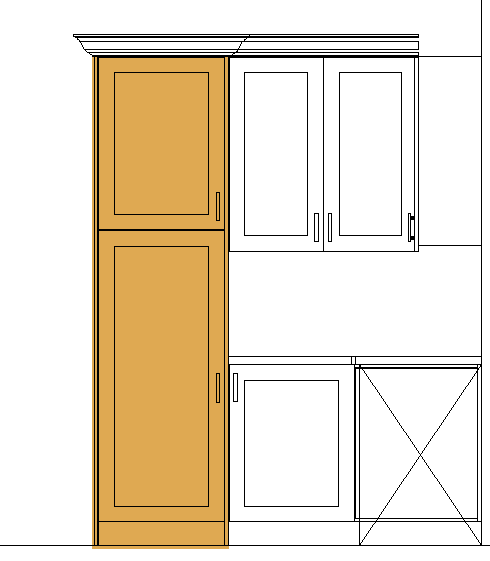
Tall units solve bulk storage and allow oven/microwave towers or broom/utility closets. A full-height pantry can host fixed shelves or pull-out pantries for easy access. Fridge surrounds use tall side panels for a built-in look.
Corner Cabinetry—Angled solutions
Corner cabinetry isn’t a standalone cabinet type—it’s a configuration that applies to both base and upper runs. In practice, homeowners typically choose one of three options.
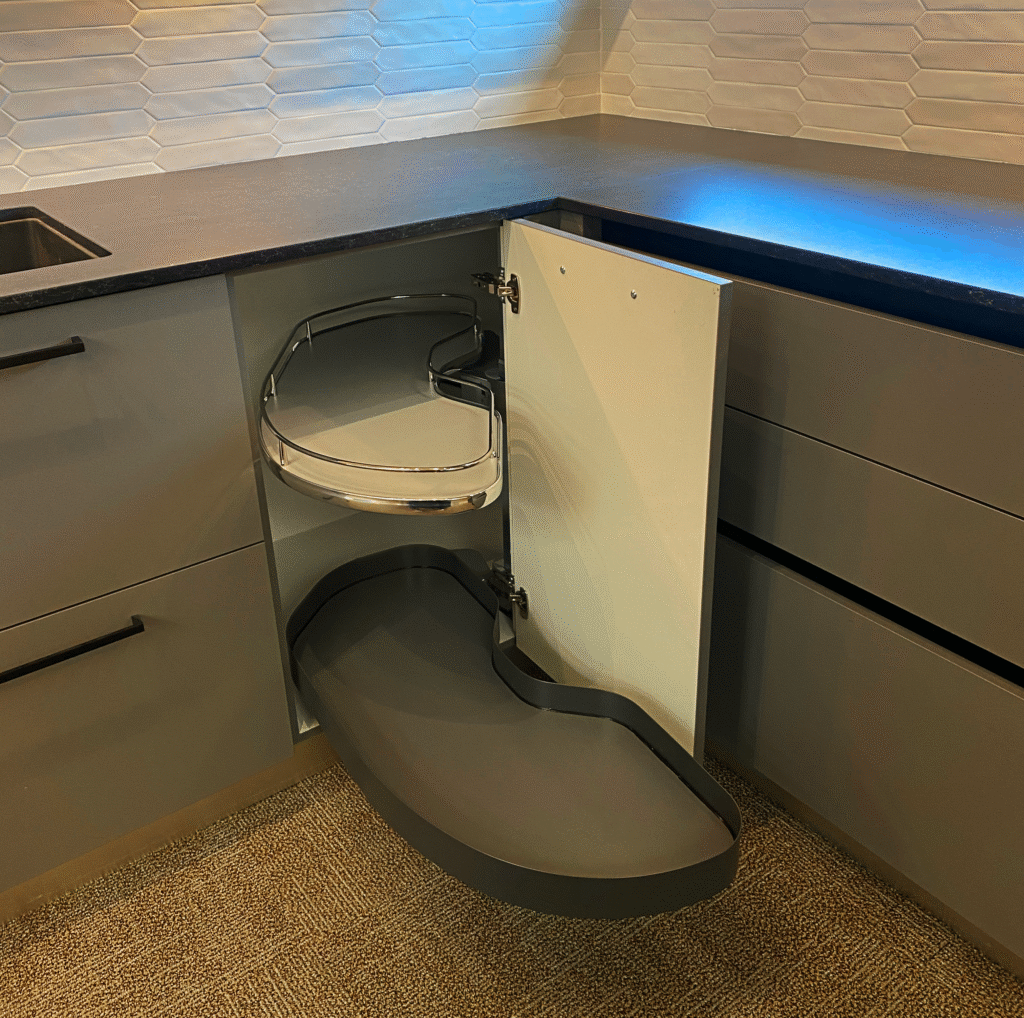
Lazy Susan
A rotating trays system that brings items around to the opening.
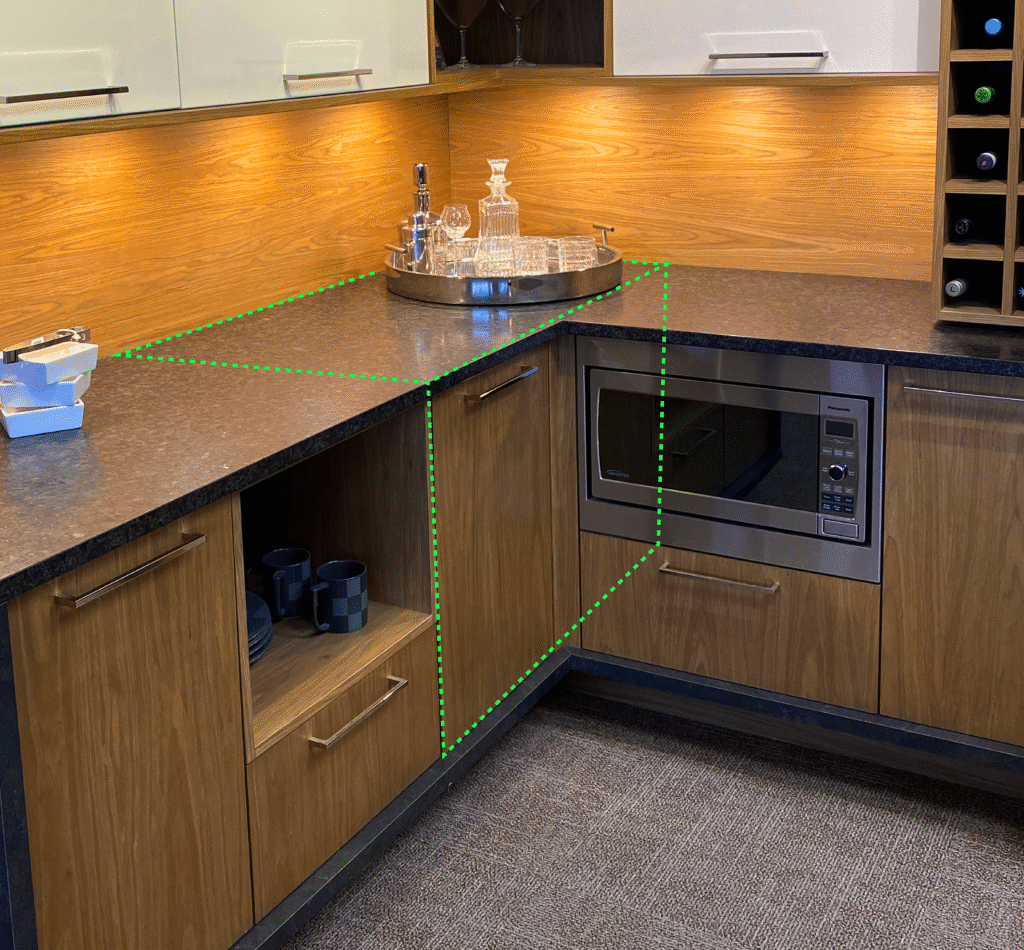
Blind Corner
AKA Magic Corner Cabinets. One run extends into the corner with a blind section, providing extra space.
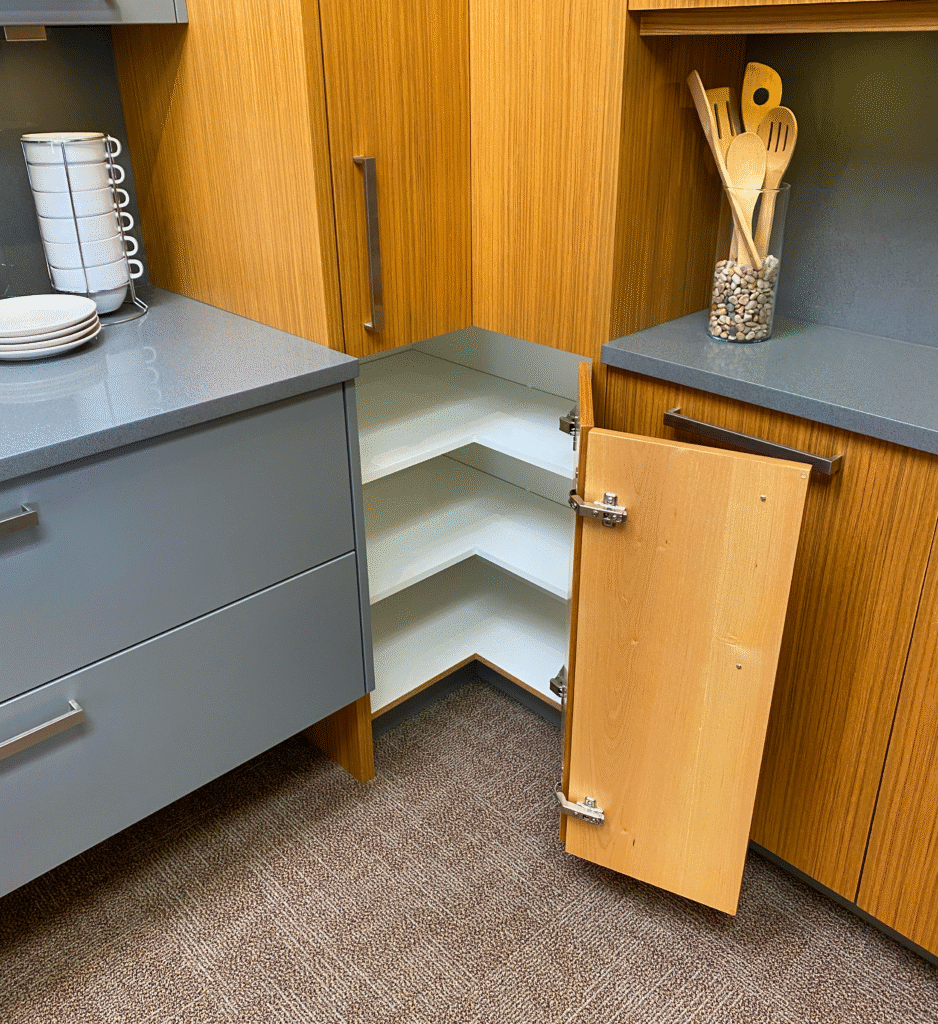
L-Shaped Cabinet
An L-corner cabinet with fixed L-shaped shelves.
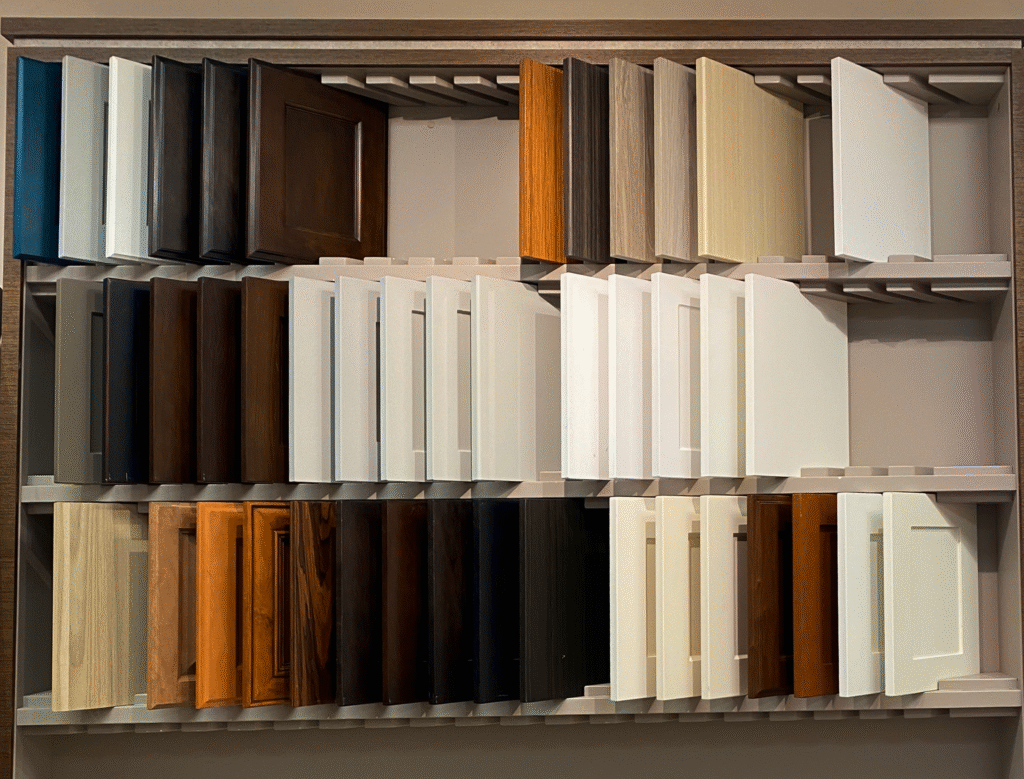
Door Styles
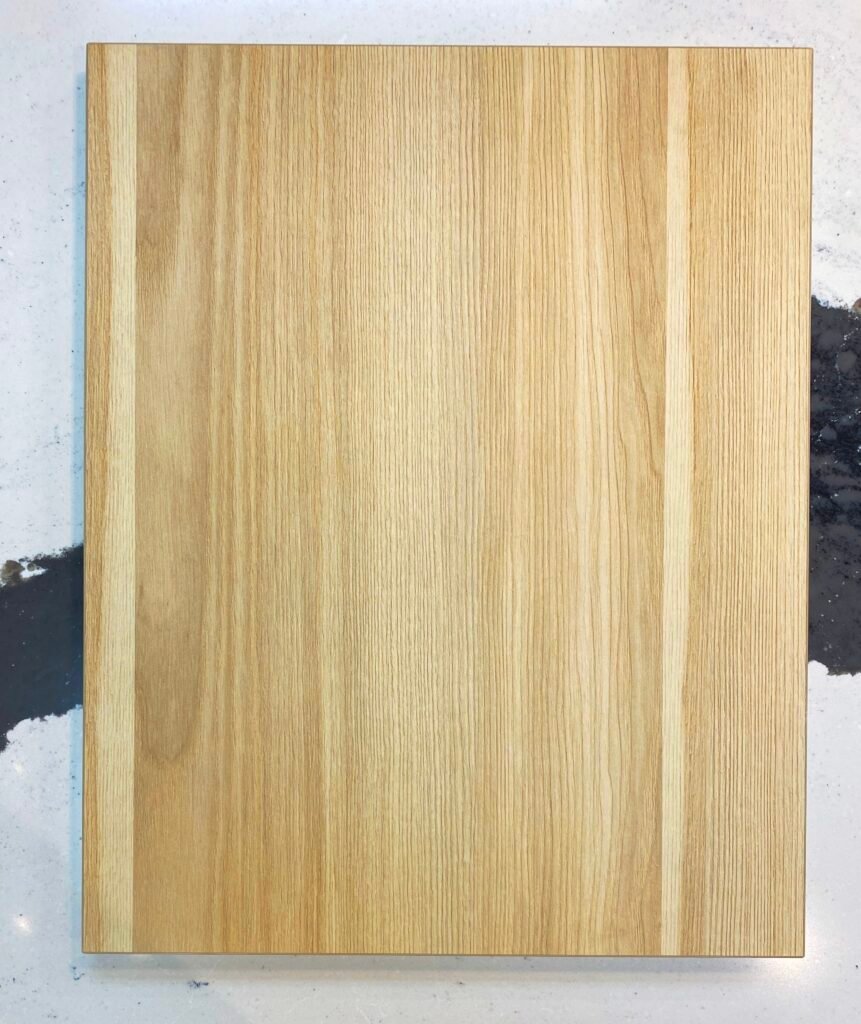
Slab/Flat
Also known as ‘Contessa’. Minimalist & modern; pairs well with wood veneers or high-pressure laminates.
Shaker
1, 3 or 5 piece frame with recessed center panel. Timeless style.
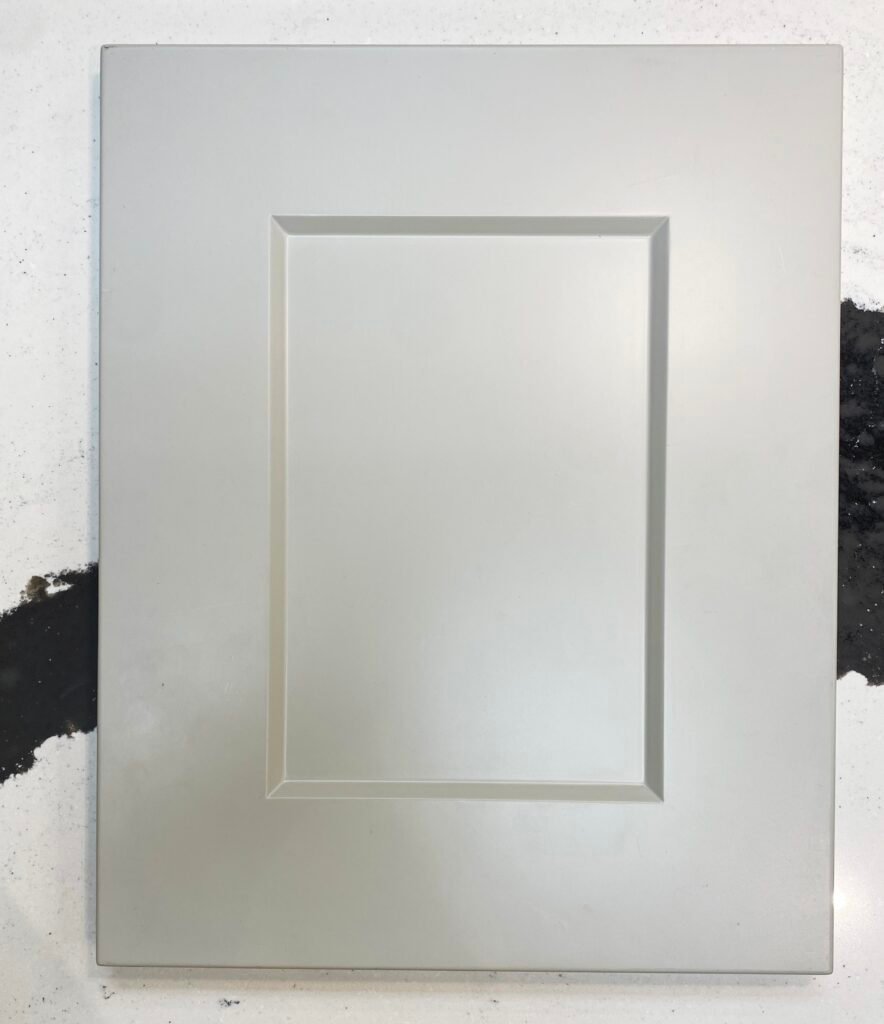
Heritage
A traditional raised-panel door featuring Roman ogee profiles on the inner frame and panel edge for added shadow and character—ideal for classic, formal kitchens.
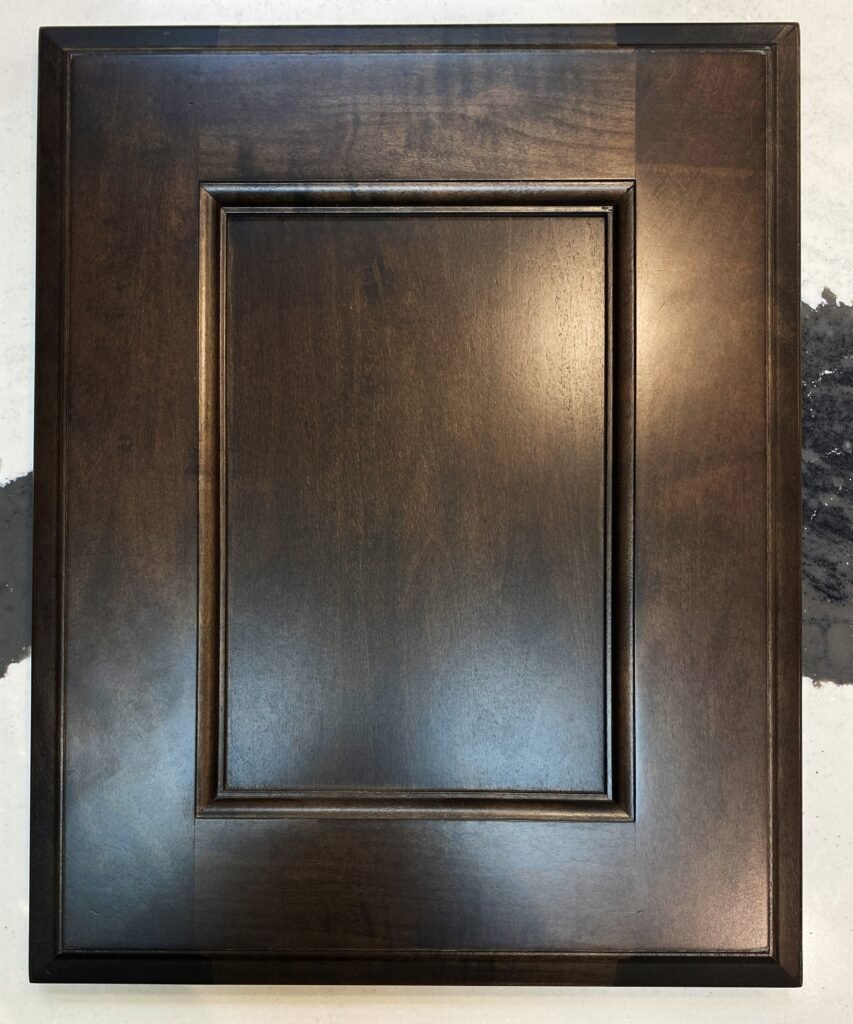
Victorian
An ornate style inspired by 19th-century design, it shows off its applied moldings, arched rails and raised panels.
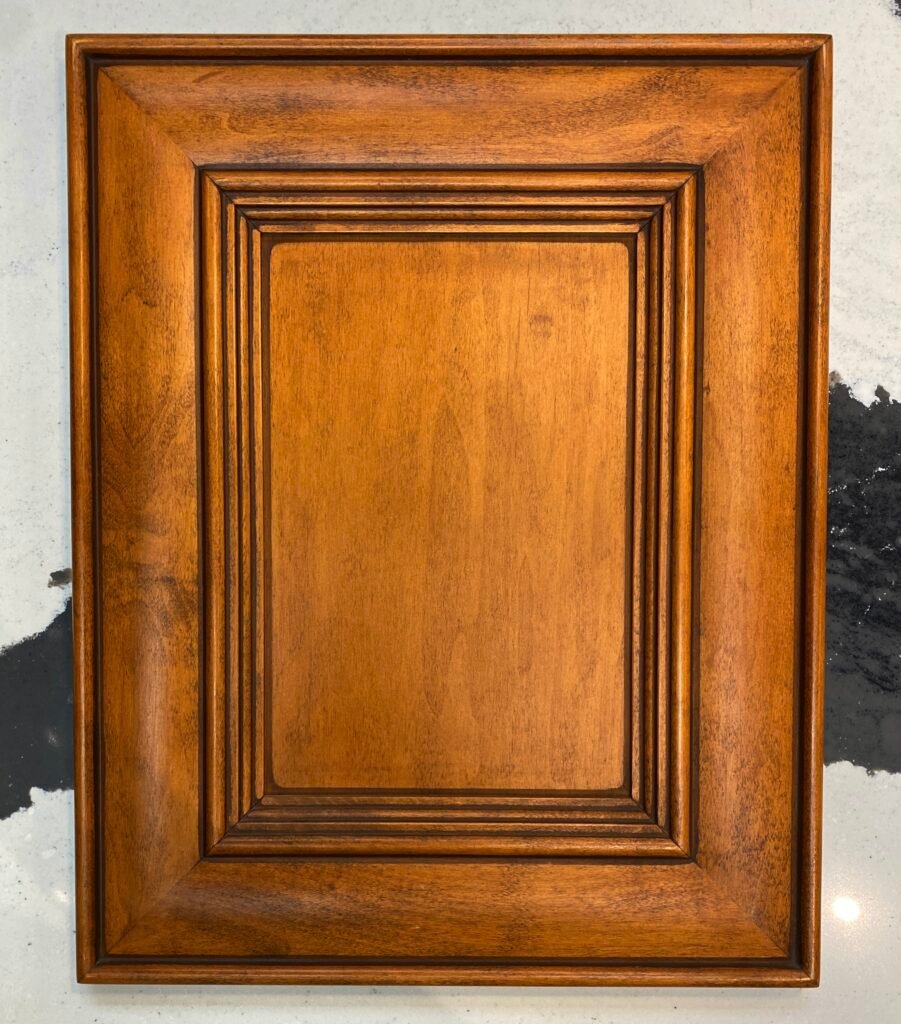
Windsor
Mitered-frame door with decorative inside molding; delivers a polished, transitional look.
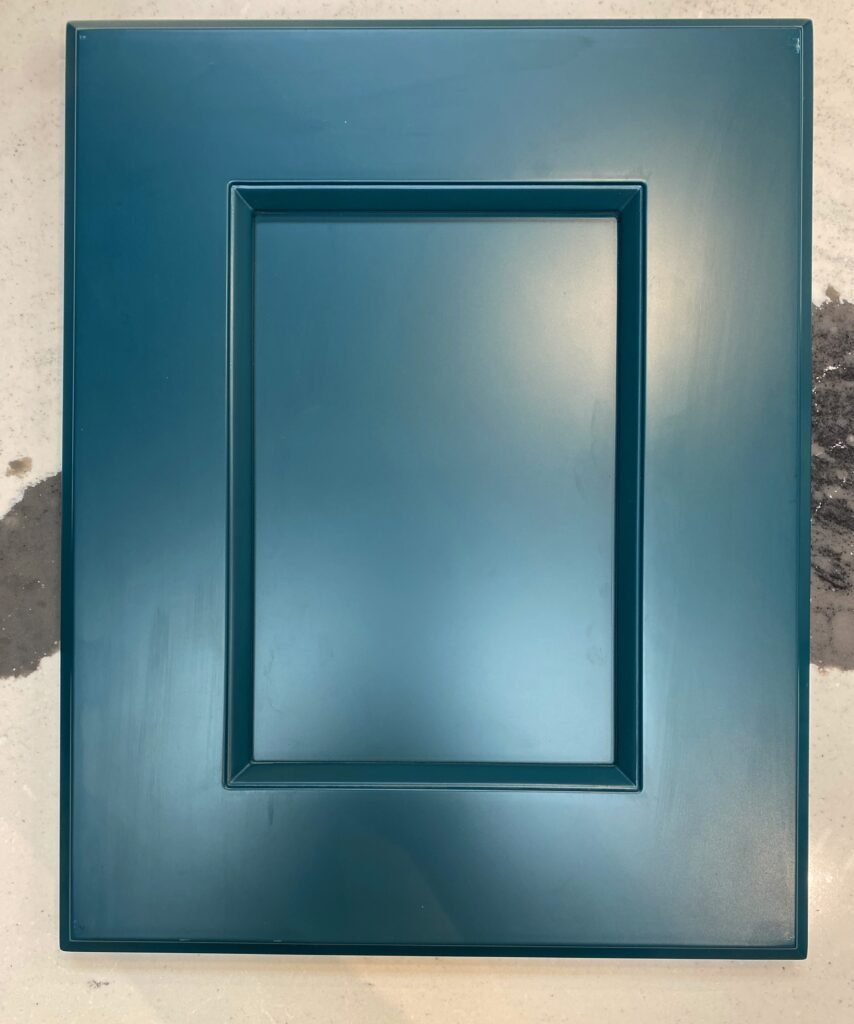
Westchester
A recessed-panel style with refined profiling on the frame—reads more dressed-up than Shaker but cleaner than ornate raised-panel doors; great for transitional kitchens.
Production Insight
MDF doors deliver crisp, paint-ready edges and consistent planes; while they don’t mimic live wood grain, they excel when color control is priority. Thermofoil achieves a smooth, factory look at lower cost but is less forgiving to heat than paint on MDF.
Learn more about cabinet door materials [LINK a post de materiales]
Finishes & Colours
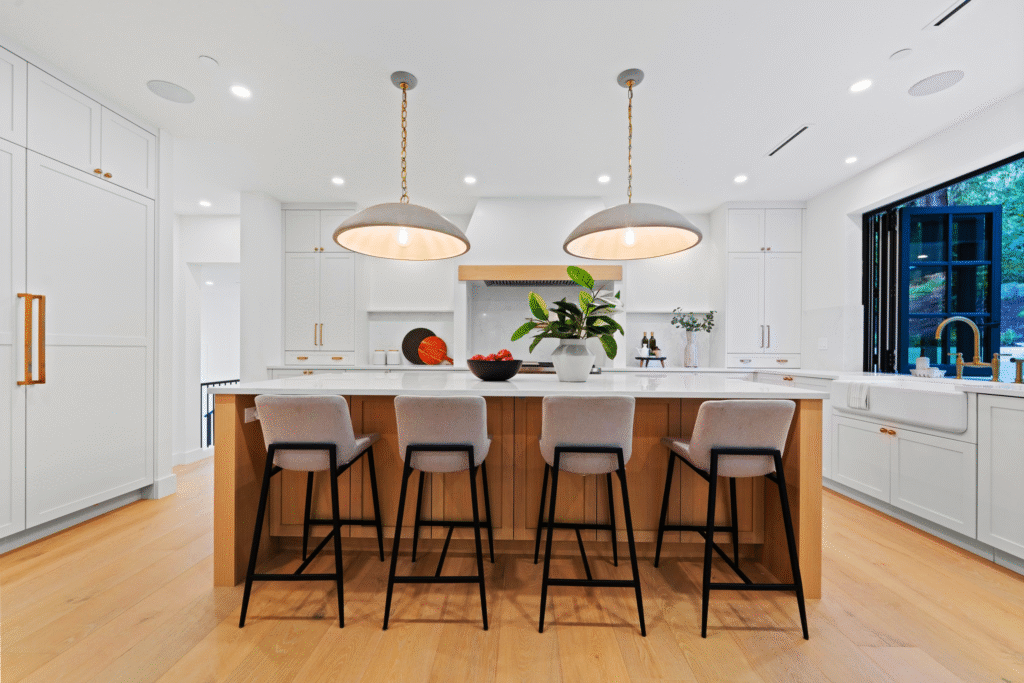
Key considerations
- Painted whites & soft neutrals brighten spaces and pair easily with countertops
- Grays/Greige & muted greens read modern while hiding minor smudges.
- Two-tone (light uppers, darker bases or a wood island) adds depth and zoning.
- White oak (straight grain) & walnut (rich, warm) add natural texture; expect higher price and, often, longer lead times versus paint-grade MDF
Standard Sizes vs Custom Parts: How Homeowners Save Time & Money
Using standard modules for 90% of a layout speeds quoting, fabrication, and installation. Reserve custom for the last inches—corners, fillers, trims, and one-off organizers. This approach consistently shortens schedules in Vancouver shops and reduces measurement risk on site.
Standard Cabinet dimensions
| Cabinet type | Widths | Heights | Depth | Notes |
| Base | 12-48″ (3″ steps) | 34½“ (without countertop) | 24″ | 36″ with countertop |
| Wall/Uppers | 9-36″ (3″ steps) | 18-42″ (3″ steps) | 12″ | 18″ clearance above countertop is common |
| Tall/Pantry | 18-36″ (3″ steps) | 84 – 96″ + (3″ steps) | 12″ & 24″ | Floor-to-ceiling storage potential |
RTA (Flat-Pack) vs Pre-Assembled: Pros, Cons & Timelines
RTA / Flat-Pack
Lower shipping volume and price; installer skill has a big impact on fit and finish.
Pre-Assembled
Factory consistency and time saved on site; easier for small crews to hit deadlines.
Vancouver takeaway
For single-family remodels, Pre-Assembled cabinets dramatically reduce on-site labor.
Hardware 101: Soft-Close Hinges, Undermount Slides, Knobs & Pulls
[PHOTO] – Close-up of soft-close hinge and full-extension undermount slide
Pulls
Alongside door style, cabinet pulls set the tone for the kitchen’s design and character.
Drawer Slides
Side-mounted drawer systems offer strength and stability, which is why they’re often preferred over undermount slides.
Hinges
Soft-close hinges are standard across many lines; they prevent slamming and protect finishes.
Layout & Measuring Guide (Step-by-Step)
- Record the room: wall lengths, ceiling height, windows/doors, and all utilities.
- Mark fixeds: range, fridge, dishwasher, and required clearances.
- Apply a size matrix: start with standard base/wall widths; aim for symmetry around sink/range.
- Corner strategy: decide Lazy Susan vs blind-corner early; it changes adjacent widths.
- Appliance specs: confirm cutouts, ventilation, and power before ordering.
Production perspective
Managing door and face alignment is easier when boxes are standard; custom trims and valances come last to hide tiny tolerances.
Lead Times in Metro Vancouver (Cabinets Only)
What to plan for locally (experience-based):
- Full kitchen cabinet packages: 6–8 weeks from final sign-off to delivery.
- If there’s heavy customization or painted finishing, add 2–4 weeks.
- These estimates exclude countertops and on-site installation.
Scheduling tip from local production: verify door and specialty-part lead times before booking trades; small upstream delays can cascade.
Refacing or Repainting vs New Cabinets
Refacing
Keep boxes, replace doors/drawer fronts and visible panels. Faster than full reno; ideal when layout stays and boxes are sound.
Repainting
Budget-friendly refresh for paint-grade doors. Surface prep is critical for durability.
New Cabinets
Best when layout, storage, or box integrity need a reset. Choose this route to add drawers, tall pantry, or corner solutions.
Rule of thumb
If the layout works and boxes are solid, refacing or repainting is often DIY-friendly and it can stretch a tight budget, though results vary.
For lasting function and durability, starting fresh is usually the smarter choice.
Local Buying Guide for Homeowners
Service Areas in Metro Vancouver
- Focus on standard modules across most of the run for faster quoting and fabrication.
- Use custom only where it counts—corners, trims, specialty pull-outs.
- Confirm lead times with suppliers/finishers early (especially doors).
- Typical service areas: Vancouver, Burnaby, Richmond, Surrey, Coquitlam, North Shore.
FAQs— Planning & Operations (Metro Vancouver)
Below are practical homeowner questions focused on planning, sequencing, site conditions and quoting—topics that typically create delays or cost overruns.
Room width/length, ceiling height, window/door positions, appliance specs (fridge/range/dishwasher), and preferred sink size.
Typically after drywall/paint touch-dry and after finished flooring.
Late appliance changes, and unleveled floors/walls.
Leave a Reply